
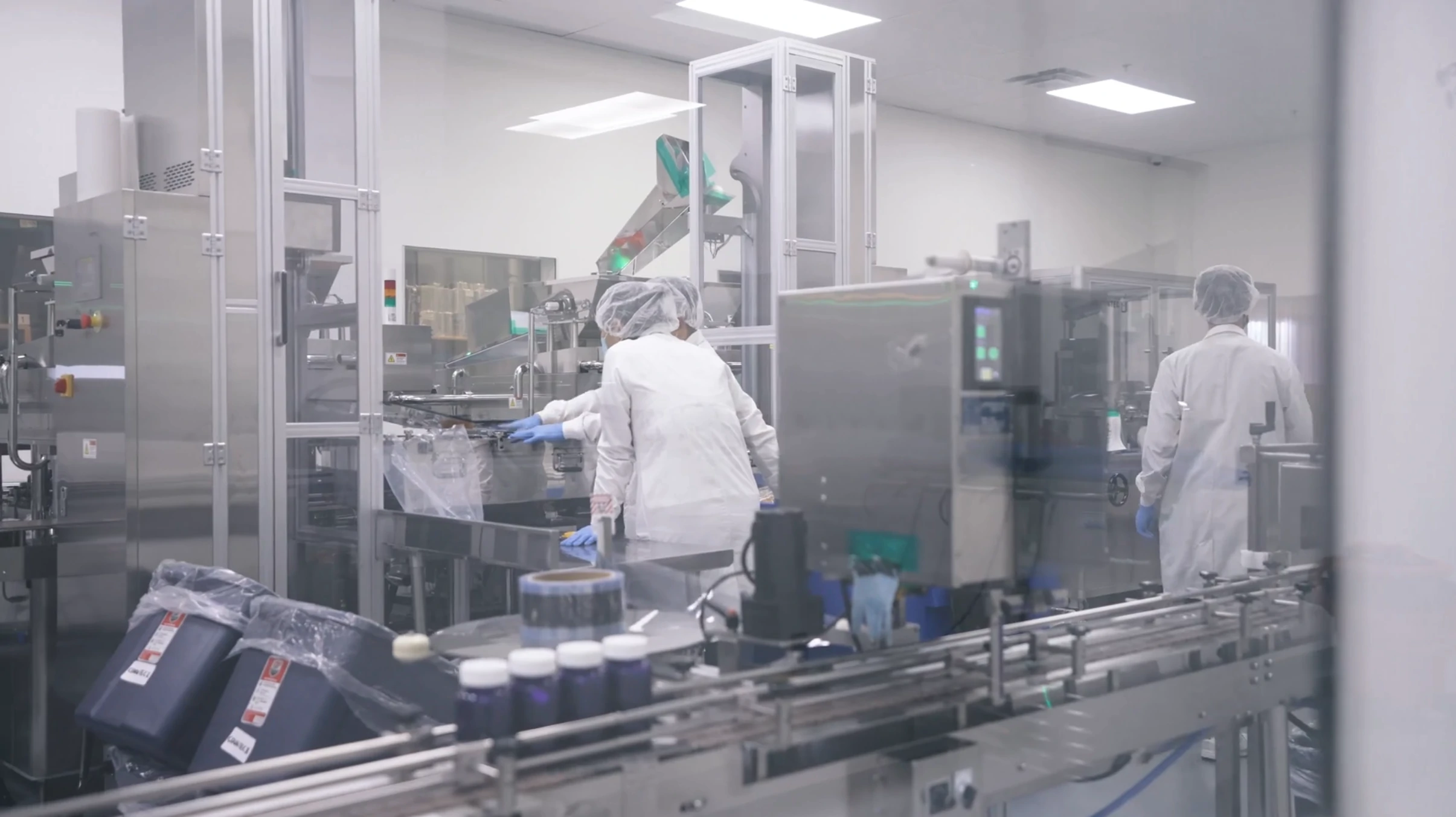
Launching a supplement brand requires more than choosing a popular ingredient and creating an attractive label. Your manufacturing partner can influence formulation feasibility, product consistency, packaging quality, launch costs, and delivery schedules. Choosing the right supplement manufacturer is therefore one of the most important sourcing decisions a health and wellness business will make.
Whether you are starting a private label brand or expanding an established product line, this guide explains what supplement manufacturers do, how private label and custom production differ, what quality documents to request, and how to compare quotations. It also covers product formats, minimum order quantities (MOQs), packaging, and the information to prepare before contacting a manufacturer.
What Does a Supplement Manufacturer Do?
A supplement manufacturer turns specified raw materials into finished dietary supplement products. Depending on the business model and agreed scope, the manufacturer may manage some or all of the following activities:
- Formulation and feasibility review: Assess ingredients, serving sizes, product formats, and manufacturing constraints.
- Raw material sourcing: Select suppliers and review ingredient identity, specifications, and supporting documents.
- Manufacturing: Produce gummies, powders, capsules, softgels, tablets, liquid drops, or other suitable formats.
- Quality management: Apply appropriate manufacturing controls, testing, documentation, and batch-release procedures.
- Private label services: Apply a brand’s name, artwork, and agreed packaging to an existing product formulation.
- Custom development: Evaluate brand-specific formulations, ingredient combinations, flavors, and product specifications.
- Packaging and shipment preparation: Fill, seal, label, pack, and prepare finished products according to the agreed order requirements.
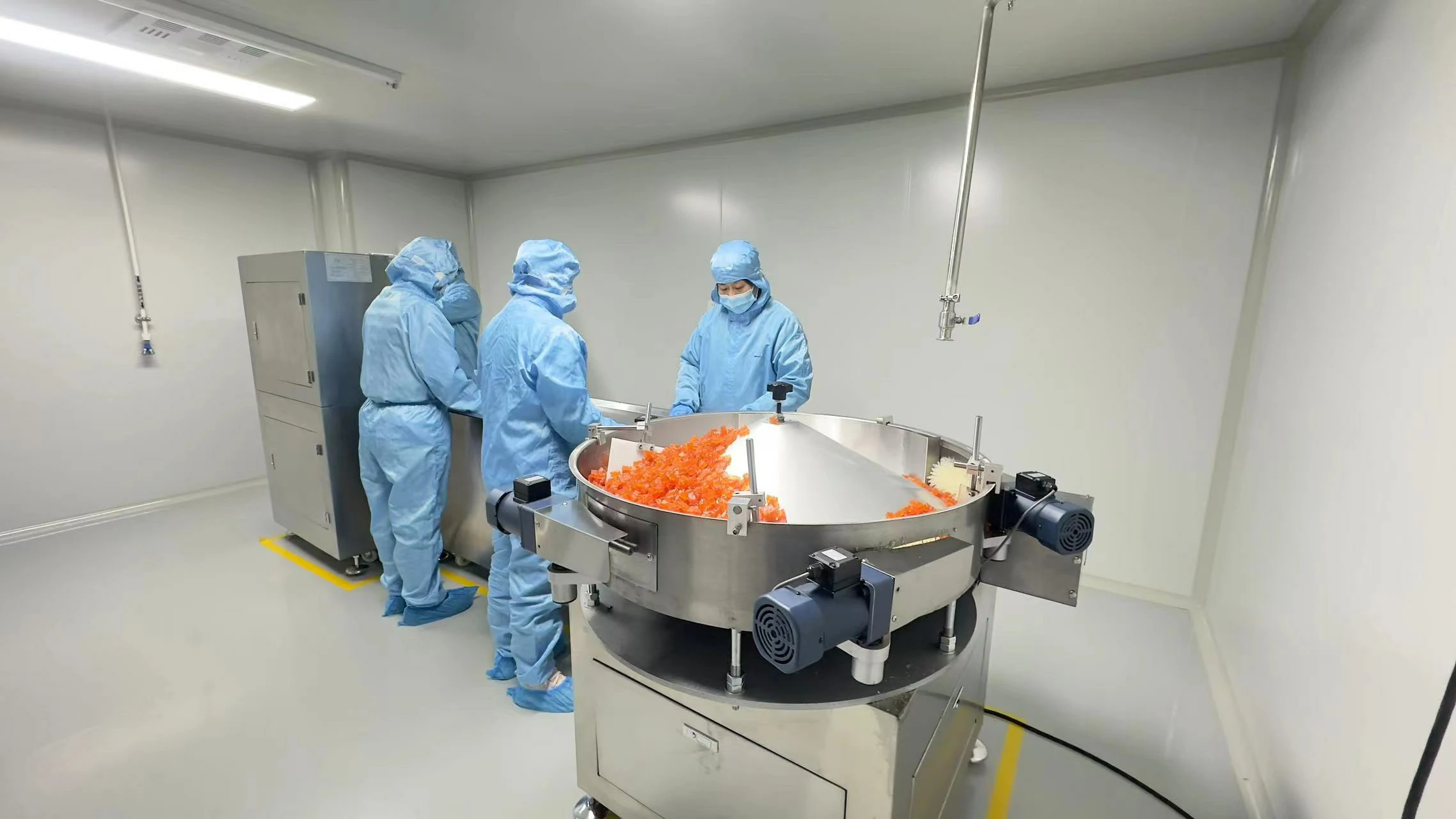
Not every supplier performs every activity in-house. When comparing manufacturers, ask which processes are handled by the named production facility, which are outsourced, and who is responsible for quality oversight.
Private Label vs. Custom Supplement Manufacturing
Most brand owners consider two broad approaches: an established formulation sold under their own brand, or a product developed to meet a unique specification. Both can support a successful launch, but the requirements differ.
| Factor | Private Label | Custom Manufacturing |
|---|---|---|
| Formula | Existing or established product specification | Brand-specific formula or revised specification |
| Development work | Usually limited | May require formulation trials and validation |
| Branding | Custom label and packaging options | Branding plus potential formula and format changes |
| Initial cost | Often lower development expense | May include development, testing, and new materials |
| Launch schedule | May be shorter if materials are available | May be longer due to samples and approvals |
| Best suited for | Brands testing a market or expanding quickly | Brands seeking a differentiated product |
When Should You Choose Private Label?
Private label manufacturing can be a practical route when your priority is launching an existing supplement concept under your own branding. You still need to confirm the exact formula, ingredient specifications, packaging, labeling requirements, and rights to use the proposed artwork and brand name.
When Does Custom Manufacturing Make More Sense?
Custom manufacturing is more appropriate when you require a distinct ingredient profile, serving size, flavor, texture, or other product feature. The manufacturer should explain what is technically feasible and which tests or additional development steps may be needed. A formula should never be changed without the buyer’s approval.
For a closer comparison of OEM and ODM, see BIOLOVE’s OEM vs. ODM Supplement Manufacturing Guide.
Types of Supplements You Can Manufacture
The right dosage form depends on the intended ingredients, desired serving size, consumer preferences, shelf-life requirements, and packaging budget. BIOLOVE presents seven main product categories:
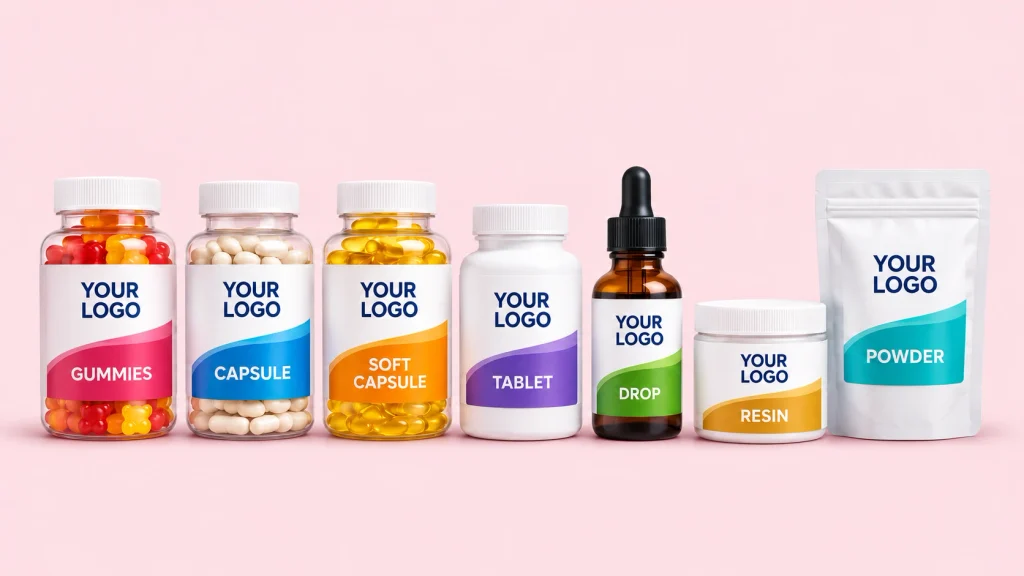
Gummy Supplements
Gummies offer opportunities to customize flavors, shapes, colors, and packaging. Product concepts can include vitamin, creatine, and apple cider vinegar gummies. Manufacturers must consider ingredient loading, texture, taste, stability, and moisture sensitivity. For more detail, read the Private Label Gummy Manufacturing Guide.
Powder Supplements
Powders can be suitable for ingredients that require larger serving weights, such as creatine, collagen, and electrolyte blends. Packaging options may include jars, stand-up pouches, and single-serve stick packs. Solubility, flavor, moisture control, and fill-weight accuracy should be reviewed for the selected formulation.
Capsule Supplements
Capsules are often used for botanical extracts, vitamins, minerals, and other compatible powdered ingredients. Capsule size, shell material, fill characteristics, and ingredient stability can affect production feasibility.
Softgel Supplements
Softgels are commonly considered for selected oil-based ingredients, including fish oil and fat-soluble vitamin formulations. Shell compatibility, oxidation control, and storage conditions require careful evaluation.
Tablet Supplements
Tablets can provide a compact serving format for suitable vitamin and mineral formulations. Depending on the product, development may involve tablet hardness, disintegration, coating, and packaging considerations.
Liquid Drops
Liquid drops may be appropriate for certain vitamin or botanical formulations. Brands should review concentration, ingredient solubility, dosing-device accuracy, bottle compatibility, and microbial stability.
Resin Supplements
Resin products, including certain Shilajit products, require particular attention to raw material authenticity, contaminants, consistency, and storage. Buyers should confirm the exact material specification and the intended market’s ingredient rules before development.
Buyer tip: Choose the dosage form only after confirming whether it can accommodate the intended ingredients and serving size. A fashionable format is not automatically the best technical or commercial choice.
How to Evaluate Manufacturing Quality
A credible supplement manufacturer should be able to explain how it controls raw materials, production, packaging, and finished-product release. Marketing claims alone are not a substitute for relevant records.
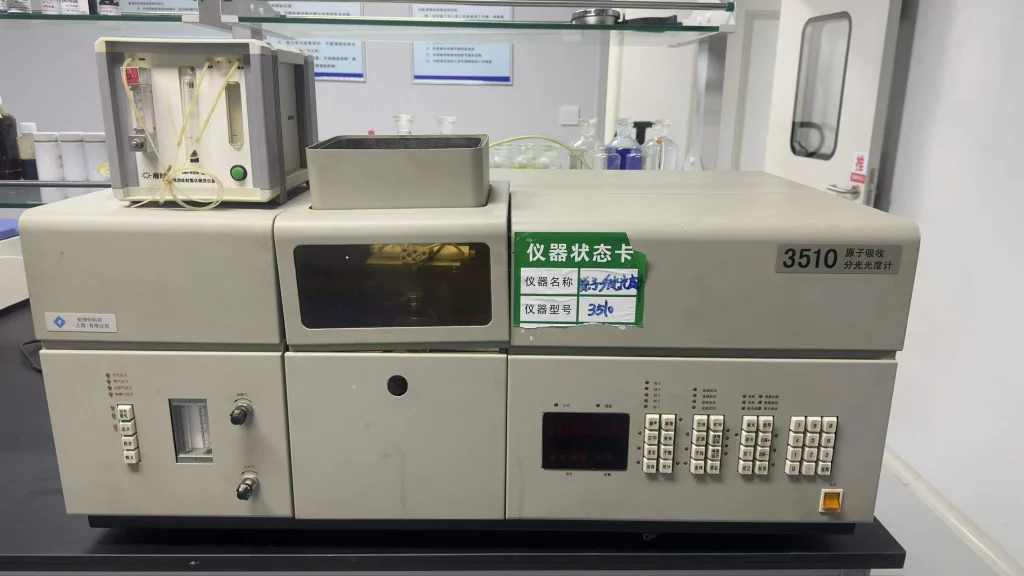
Review the Facility and Quality System
Ask for the legal manufacturing entity, production-site details, relevant licenses, and any applicable audit reports or certifications. Check whether the documentation covers the actual facility and product scope, rather than a different company or location.
For products intended for the United States, dietary supplement manufacturers and relevant operations must consider applicable 21 CFR Part 111 current good manufacturing practice requirements. Requirements differ across countries and product classifications; buyers should verify the rules for their destination market.
Check Ingredients, Testing, and COAs
Depending on the formula and applicable requirements, quality reviews may address ingredient identity, potency, microbiological quality, heavy metals, other contaminants, and relevant physical characteristics. Ask whether the supplied Certificate of Analysis (COA) refers to an incoming ingredient or the actual finished-product lot.
A useful COA identifies the sample or batch, the relevant specifications, the test results, methods where applicable, and the issuing laboratory. Learn more in BIOLOVE’s Supplement COA Buyer’s Checklist.
Confirm Traceability and Product Release
Ask how the manufacturer links purchased ingredients to production batches, test records, packaging materials, and finished goods. Discuss how deviations, customer complaints, and product recalls would be managed. Clear batch identification and appropriate retention of records are important for downstream distributors.
Ask for Evidence, Not Just Promises
Before approving a project, consider requesting the applicable documents, product specifications, sample approval criteria, and a written quality agreement. Verify any claimed certifications against the issuing organization’s records. Do not assume a single certificate guarantees regulatory acceptance in every country.
MOQ, Production Costs and Lead Times
Understanding the minimum order quantity (MOQ), the full quotation, and the production schedule can help you avoid unexpected costs and launch delays.
What Determines the MOQ?
MOQ can change by dosage form, formula complexity, production batch size, ingredient purchasing constraints, and packaging configuration. A standard product in stock packaging may have different minimums from a custom formula using a newly printed pouch or specialty bottle.
Ask for an MOQ per SKU and packaging configuration, not just a general minimum for the entire factory. BIOLOVE also has a detailed Private Label Supplement MOQ Guide.
What Affects Manufacturing Cost?
Compare quotations using the same specifications. Relevant cost components can include:
- Raw ingredients and their verified specifications
- Formula development, sampling, and any formulation changes
- Manufacturing, filling, and packaging labor
- Bottles, pouches, labels, cartons, and artwork printing
- Required quality tests and documents
- Order size, freight terms, and any additional charges
For a meaningful price comparison, request a unit price, total price, currency, Incoterm, quotation validity, and a clear list of what is included or excluded. Higher volumes may reduce unit costs, but only after reviewing the actual quantity tiers.
How Long Does Production Take?
A project may involve requirement confirmation, sampling, artwork approval, material purchasing, production, testing, and shipment preparation. These stages do not always run sequentially, and each can affect the final schedule.
Ask the supplier to state whether its quoted lead time starts after deposit, after sample approval, or after all materials and artwork are confirmed. Also distinguish factory production time from international shipping transit time. Avoid relying on a generic delivery promise that does not account for your specific SKU.
What Information Helps You Get an Accurate Quote?
Provide the proposed formula or product concept, target serving size, product format, packaging type, estimated order quantity, and destination country. If your product has special requirements, include the testing or regulatory documentation you expect to receive.
Packaging and Label Customization
Packaging should protect the product while communicating your brand clearly. Your choice also affects shelf life, shipping efficiency, print costs, and the MOQ.
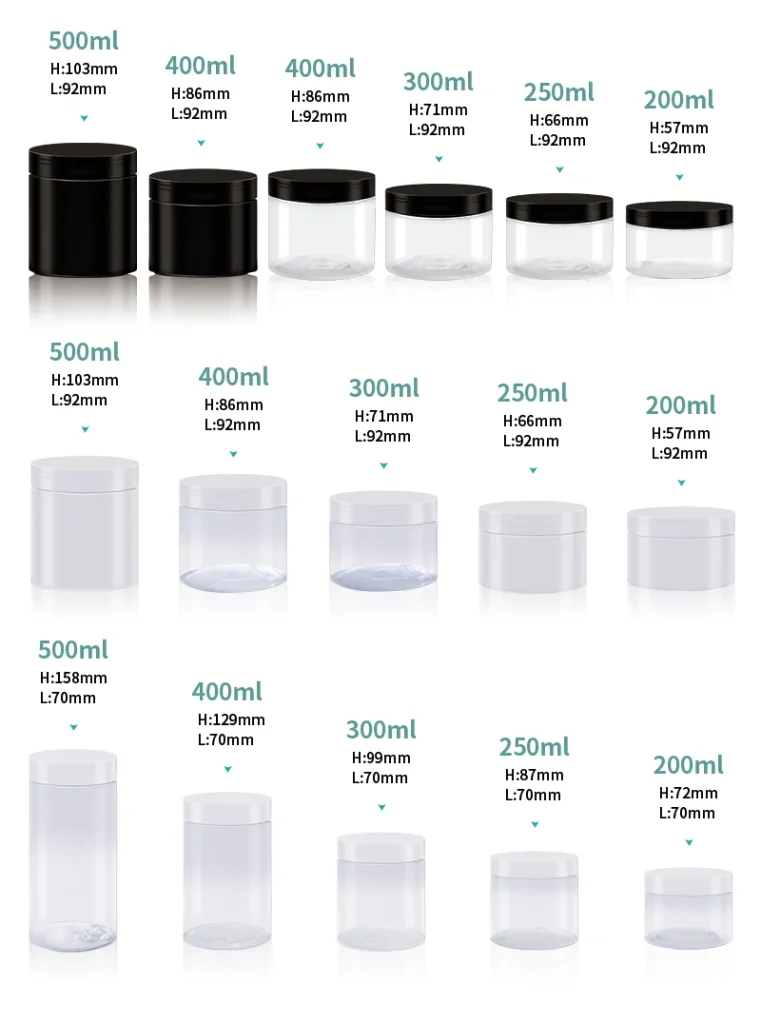
Common Supplement Packaging Options
Depending on product compatibility, options may include bottles and jars for capsules, tablets, or gummies; pouches and stick packs for powders; dropper bottles for liquids; and outer retail cartons for multipacks. Some products may require moisture barriers, light protection, appropriate seals, or other protective features.
Custom Branding and Artwork
Private label projects can involve logos, product names, colors, label artwork, printing finishes, and retail-box layouts. Before printing, confirm the final dieline, net quantity, label dimensions, barcode placement, and approved artwork proof. Make sure the packaging material is suitable for the product and intended storage conditions.
Label Requirements Depend on the Market
Dietary supplement labeling requirements are not identical worldwide. Depending on the destination, relevant information may include ingredient lists, serving information, net contents, responsible business details, warnings, and lot/date markings. Product claims and permissible ingredients also require separate review.
A manufacturer can support artwork preparation and packaging production, but the brand or importer should confirm the final label’s compliance with local requirements before placing a commercial order.
Why Work With BIOLOVE?
BIOLOVE presents private label and OEM/ODM supplement solutions for businesses seeking manufacturing and packaging support. Rather than selecting a supplier on price alone, buyers should evaluate whether the available formats, communication process, and documentation fit their project.
Multiple Product Formats and Branding Options
BIOLOVE’s published portfolio covers gummies, powders, capsules, softgels, tablets, liquid drops, and resin products. This gives buyers a starting point for comparing formats and discussing formula, serving size, and packaging requirements. Actual feasibility and availability should be confirmed for each product.
A Defined Project Discussion Process
BIOLOVE outlines a four-step approach: consultation, formulation and sampling, manufacturing, and packaging and delivery. Buyers can use these stages to clarify responsibilities, approval points, and deliverables before production begins.
Focus on Project-Specific Information
For a useful manufacturing discussion, share your target market, product concept, formula requirements, preferred package, and estimated volume. Ask BIOLOVE to confirm the applicable MOQ, sample arrangements, production timeline, testing scope, and supporting documents for that specific project.
Direct Contact for International B2B Buyers
Brand owners, importers, and distributors can discuss their requirements through BIOLOVE’s Contact Us page. Clear requirements make it easier to compare proposed solutions and prepare a practical quotation.
Frequently Asked Questions
What is the difference between a supplement manufacturer and a private label supplier?
A supplement manufacturer is responsible for agreed production activities. A private label supplier offers products that buyers can market under their own brand. One company may perform both roles, but buyers should confirm who actually produces and releases the goods.
Can I launch a supplement brand without owning a factory?
Yes. A brand can work with a contracted manufacturer for agreed production and packaging activities. The brand must still manage its commercial responsibilities, including appropriate product claims and market-specific compliance.
Does every supplement manufacturer offer custom formulation?
No. Some suppliers focus on established formulas, while others support new product development. Ask about formulation capabilities, sample approval, development fees, and ingredient restrictions.
How do I know whether a quoted MOQ applies to my product?
Request the MOQ in writing for the exact formula, dosage form, package size, and printing configuration. A minimum stated for one stock product may not apply to a custom SKU.
Can I request samples before placing a bulk order?
Often, but availability, fees, and timelines depend on whether you need an existing product or a newly developed formula. Confirm what the sample represents and whether it matches the final production specification.
What quality documents should I request?
Ask for the documents relevant to your product and destination market, which may include product specifications, appropriate COAs, test reports, and applicable facility or quality-system documentation. Verify their dates, scope, and issuing entities.
How can I obtain a manufacturing quotation from BIOLOVE?
Visit BIOLOVE’s quotation page and share your product type, ingredient or formula requirements, preferred packaging, approximate order quantity, and destination market. Ask for the MOQ, sample terms, lead-time basis, testing scope, and complete commercial terms.
Ready to Discuss Your Supplement Project?
A dependable manufacturing partnership starts with clear specifications, realistic cost expectations, and verifiable quality information. Compare suppliers using the same checklist rather than relying only on advertised prices or generic certifications.
BIOLOVE can discuss private label and custom supplement manufacturing options based on your brand’s requirements. Whether your project involves gummies, powders, capsules, softgels, tablets, drops, or resin products, the next step is to share your proposed formula, packaging, quantity, and target market.
Request a Quote from BIOLOVE to discuss the available options for your project.
