
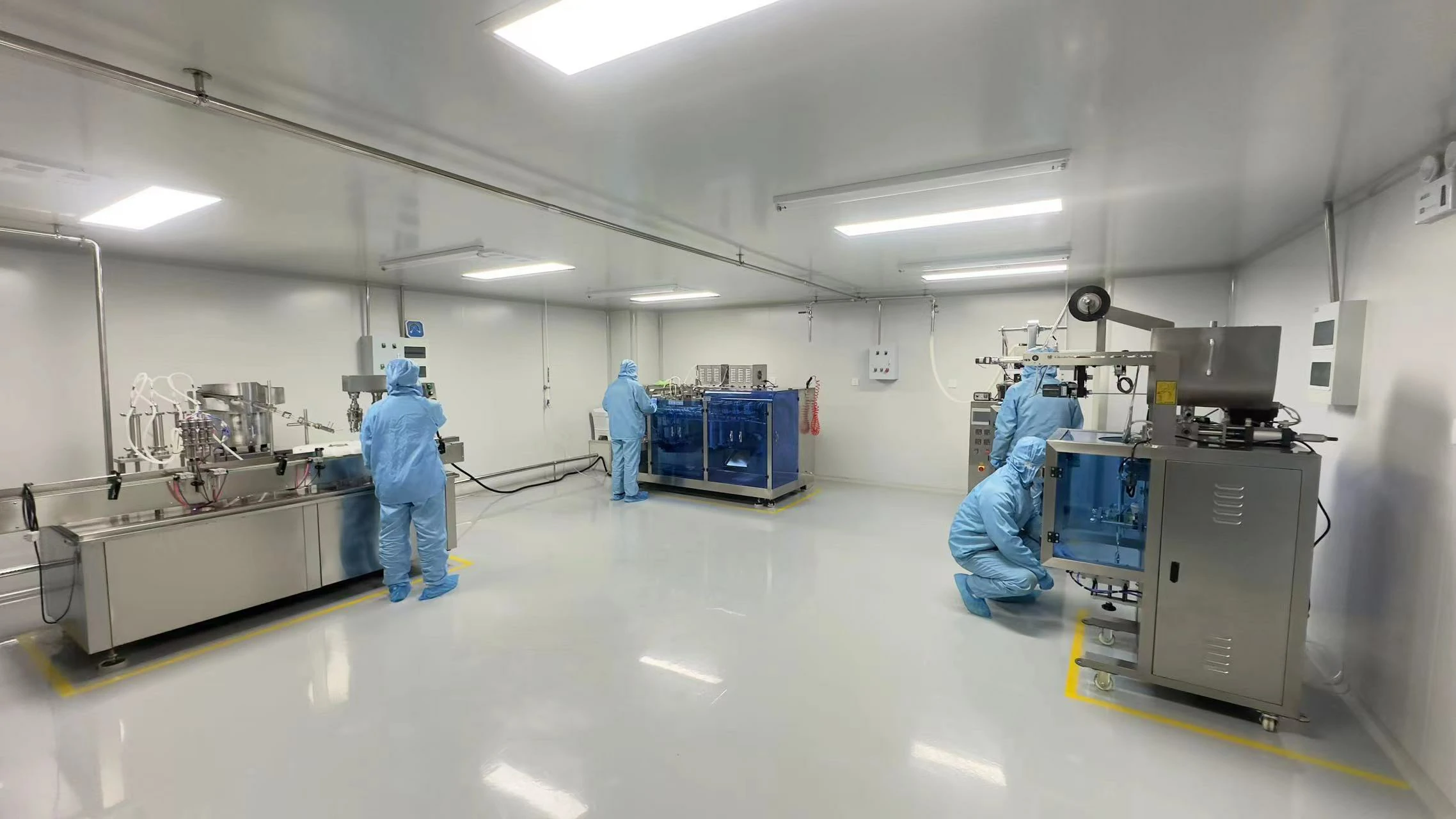
Private label supplement MOQ is one of the most important factors for businesses planning to launch their own supplement brands. Whether you want to develop gummies, capsules, powders, or tablets, understanding minimum order quantities can help you manage production costs and plan your first product launch.
However, supplement manufacturing involves several factors that influence MOQ. Product formulation, ingredient sourcing, packaging customization, and production requirements all affect the minimum quantity a manufacturer can offer.
In this guide, BIOLOVE explains how supplement manufacturers determine MOQ, what influences production costs, and how brands can prepare for their first OEM or ODM order.
1. What Is MOQ in Supplement Manufacturing?
MOQ stands for Minimum Order Quantity. It refers to the smallest quantity a manufacturer agrees to produce for a particular product and set of specifications.
For example, a supplement manufacturer may have different minimum order requirements for gummy supplements, capsules, powdered supplements, and softgels.
In addition, an existing formula may have different requirements from a fully customized formulation.
Manufacturers consider material purchasing, production efficiency, packaging availability, and quality control when determining order quantities.
Therefore, brands should confirm the MOQ for their specific product rather than assume that one standard quantity applies to every supplement.
Why Does MOQ Matter for Supplement Brands?
MOQ directly affects the initial investment required to launch a supplement product.
First, a smaller order may reduce the amount of inventory a new brand needs to purchase.
However, smaller production batches may involve higher manufacturing costs per unit.
In contrast, larger orders may offer better unit pricing, depending on the formula, packaging, and production process.
As a result, brands should balance their initial investment with their expected sales and inventory requirements.
2. What Factors Affect Private Label Supplement MOQ?
Several important factors influence the minimum order quantity for supplement manufacturing.
Product Type
Different supplement formats require different production processes and equipment.
For example, gummies require preparation of a gummy base, ingredient incorporation, depositing, and conditioning.
Capsules require suitable ingredient preparation, blending, and filling operations.
Meanwhile, powdered supplements may require mixing, filling, and packaging equipment appropriate for the formula.
Consequently, each product format has its own production considerations that can affect MOQ.
Ingredient Selection
Ingredient availability also plays an important role.
Some common vitamins and minerals may have relatively flexible sourcing options.
However, specialized botanical extracts, branded ingredients, or unusual specifications may involve supplier minimum purchase quantities.
In addition, manufacturers must evaluate ingredient stability, compatibility, and quality requirements.
Therefore, a complex custom formula may involve different purchasing and production requirements from a standard formula.
Formula Customization
Formula customization can influence both MOQ and development costs.
For example, a brand may request specific ingredient amounts, flavors, sweeteners, or other product characteristics.
The manufacturer must then evaluate whether the proposed formula suits the intended production process.
Furthermore, some custom projects require sampling, formulation adjustments, and product-specific testing.
As a result, brands should discuss development requirements before confirming their first production order.
Packaging Requirements
Packaging can also affect private label supplement MOQ.
Standard bottles and readily available packaging materials may provide more flexibility, depending on supplier availability.
However, custom-printed pouches, special bottle designs, and unique retail packaging may involve separate supplier minimums.
For example, a printing supplier may require a larger packaging-material order than the number of finished supplement units the manufacturer plans to produce.
Therefore, brands should confirm both the manufacturing MOQ and the packaging MOQ.
3. How Does MOQ Differ Between Supplement Formats?
Every supplement format has different technical and commercial requirements.
Gummy Supplements
Gummy supplements have become a popular option for private label brands.
Common concepts include vitamin gummies, creatine gummies, and apple cider vinegar gummies.
However, gummy production requires careful formulation and manufacturing planning.
Manufacturers must consider the gummy base, active ingredient compatibility, texture, and processing conditions.
In addition, customized molds, flavors, and packaging requirements may affect minimum production quantities.
Capsule Supplements
Capsules offer a familiar format for many nutritional supplement products.
For example, brands may develop products containing vitamins, minerals, or selected botanical ingredients.
The minimum production quantity depends on ingredient specifications, capsule type, production setup, and packaging requirements.
Furthermore, manufacturers must consider ingredient flow properties and fill-weight consistency.
Powder Supplements
Powder supplements include products such as creatine powders, electrolyte blends, and other powdered formulations.
Manufacturers typically evaluate blending requirements, ingredient properties, and filling formats.
For example, a powder product may use jars, pouches, or individual stick packs.
Each packaging format can have different material and equipment requirements.
Consequently, powder supplement MOQ may vary according to the complete product specification.
Tablets and Softgels
Tablets and softgels require specialized manufacturing processes.
Tablet production can involve blending, granulation when necessary, compression, and coating.
Softgel production typically involves preparing the fill material, forming the capsules, and drying them under suitable conditions.
Therefore, manufacturers evaluate equipment, formulation requirements, tooling, and production efficiency before confirming the minimum order quantity.
4. Can You Start a Supplement Brand with a Lower MOQ?
Many new supplement brands want to reduce their initial inventory investment.
Although MOQ depends on manufacturing conditions, several approaches may help brands explore more flexible production options.
Choose an Established Formula
First, ask whether the manufacturer offers an existing formulation that meets your requirements.
An established formula may reduce certain development steps compared with creating a completely new product.
However, the formula must still meet the intended market’s ingredient and labeling requirements.
Select Standard Packaging
Next, consider standard packaging formats where they meet your branding and product-protection needs.
For example, an existing bottle size with a customized label may involve fewer packaging-development requirements than a completely new bottle design.
In addition, common packaging components may offer more sourcing options.
Focus on One Product Initially
Launching several products simultaneously can increase inventory and development costs.
Instead, new brands may benefit from starting with one clearly defined product.
This approach allows businesses to focus their resources on formulation, packaging, marketing, and distribution.
After evaluating market demand, brands can consider expanding their product range.
Discuss Quantity-Based Pricing
Finally, request quotations for several production quantities.
Manufacturers can then explain how the estimated unit price changes with order volume.
For example, increasing the order size may improve production efficiency or ingredient purchasing conditions.
However, the total order value will also increase.
Therefore, brands should compare both unit cost and total investment before making a purchasing decision.
5. What Determines Private Label Supplement Manufacturing Costs?
MOQ and manufacturing cost are closely connected.
However, brands should not evaluate suppliers based on unit price alone.
Several factors influence the final quotation.
Raw Materials: Ingredient type, quality specifications, sourcing requirements, and formula complexity affect material costs.
Product Development: Custom formulations may require development, sampling, or additional evaluation.
Manufacturing: Different product formats require different equipment, processing steps, and production schedules.
Packaging: Bottle selection, labels, printing, pouches, cartons, and other packaging components influence the final price.
Quality Control: Product-specific testing and documentation requirements may introduce additional costs. How to read a supplement COA explains which tests your order actually has to cover.
Order Quantity: Production volume can affect purchasing efficiency and manufacturing cost allocation.
In addition, international shipping, customs requirements, and applicable commercial terms may affect the buyer’s final landed cost.
Therefore, supplement brands should compare quotations based on equivalent specifications and clearly defined trade terms.
6. OEM vs ODM: Does the Manufacturing Model Affect MOQ?
OEM and ODM manufacturing offer different product development approaches.
OEM Supplement Manufacturing
OEM stands for Original Equipment Manufacturing.
In an OEM project, the brand typically provides an existing formula or detailed product specifications.
The manufacturer reviews the requirements and evaluates production feasibility.
However, ingredient sourcing and packaging customization can still affect MOQ.
ODM Supplement Manufacturing
ODM stands for Original Design Manufacturing.
In an ODM project, the manufacturer may provide product-development support, formulation proposals, and packaging options.
For example, a new supplement brand may request assistance developing a gummy or capsule product.
Depending on the project, ODM services can involve additional formulation and sampling work.
Therefore, brands should clarify whether development charges and minimum order requirements are included in the quotation.
7. How to Request an Accurate MOQ Quotation
A clear product inquiry helps manufacturers provide more useful quotations.
Before contacting a supplement manufacturer, prepare the following information:
- Product Type: Gummies, capsules, powders, tablets, softgels, or other formats.
- Target Market: The country or region where you plan to sell the product.
- Formula: Your proposed ingredients or preferred product concept.
- Serving Size: The intended amount per serving.
- Packaging: Bottles, jars, pouches, stick packs, or other packaging formats.
- Package Quantity: The number of servings or units in each retail package.
- Order Volume: Your estimated initial order quantity.
- Customization: Label printing, packaging design, and other brand requirements.
In addition, tell the manufacturer whether you already have a completed formula or need product-development assistance.
With this information, the manufacturer can review technical feasibility and discuss suitable production quantities.
8. Frequently Asked Questions About Supplement MOQ
What Is the Typical MOQ for Private Label Supplements?
There is no universal MOQ for all private label supplements.
The minimum quantity depends on the product format, ingredients, packaging, manufacturer, and production requirements.
Therefore, buyers should request a project-specific quotation.
Can I Order a Small Quantity of Custom Supplements?
Some manufacturers may offer smaller production options for suitable products.
However, custom ingredients, formulations, and packaging can affect the available minimum order quantity.
Discuss your expected volume with the manufacturer before finalizing your product specifications.
Does Custom Packaging Increase MOQ?
Custom packaging can introduce additional purchasing requirements.
For example, printed pouches or specially manufactured bottles may have separate supplier minimums.
As a result, the packaging MOQ may differ from the finished product MOQ.
Can Larger Orders Reduce the Unit Price?
Larger production quantities may help manufacturers improve purchasing or production efficiency.
However, actual pricing depends on the formula, packaging, and commercial terms.
Therefore, request multiple quantity-based quotations to understand the differences.
9. Start Your Private Label Supplement Project with BIOLOVE
BIOLOVE supports OEM and ODM manufacturing projects for supplement brands, wholesalers, and businesses developing private label nutritional products.
Our product categories include:
- Gummy Supplements
- Capsule Supplements
- Powder Supplements
- Softgel Supplements
- Tablet Supplements
- Liquid Drop Supplements
- Shilajit Resin Products
Whether you want to develop a new supplement formula or explore an existing product concept, our team can discuss your project requirements.
Why Discuss Your Project with BIOLOVE?
BIOLOVE can assist with discussions covering formula customization, product specifications, packaging options, production planning, and applicable quality documentation.
In addition, our team can review your estimated order volume and explain the manufacturing options available for your specific requirements.
Minimum order quantities, prices, testing requirements, and production lead times depend on the final product specifications.
Request Your Custom Supplement MOQ and Quotation
Are you looking for a private label supplement manufacturer in China?
Contact BIOLOVE today to discuss your formula, packaging requirements, target market, and expected order quantity.
Our team will review your inquiry and help you explore suitable OEM or ODM manufacturing solutions.
Request a Quote: https://cnbiolove.com/contact-us/
Visit BIOLOVE: https://cnbiolove.com/

2 Responses